





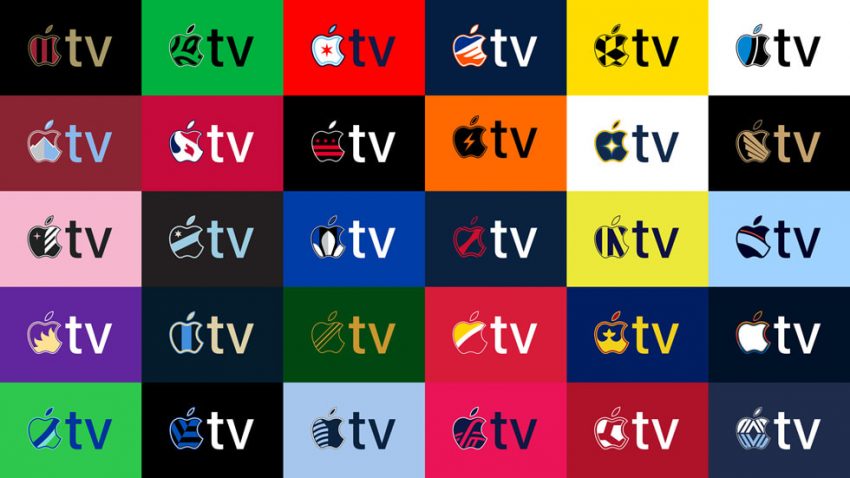
Major League Soccer’s groundbreaking global media partnership with Apple TV has reshaped how fans watch the league — and recent changes to the deal have sparked questions about its long-term future. MLS Commissioner Don Garber recently addressed the evolving dynamics of the Apple TV agreement, offering insight into why adjustments were made, how the league is performing, and what the next decade could look like for MLS media rights.
Why MLS Moved to a Global Apple TV Package
Before the Apple TV deal, MLS operated under a fragmented broadcast model: roughly 500 local television games paired with about 100 national broadcasts on networks like ESPN, FOX, and Univision. That structure became unsustainable as local television markets declined across the United States.
Garber explained that there is no longer a reliable local TV ecosystem for professional sports leagues to lean on. Consolidating all matches into a single global package became a necessity, not a luxury. Apple emerged as one of the only companies capable of delivering that vision — a worldwide, device-agnostic experience where fans could watch MLS anywhere with the press of a button.
The Subscription Model and Why It Changed
When MLS Season Pass launched, it was built around a subscription-based model, similar to NFL Sunday Ticket but on a global scale. The original deal positioned Apple and MLS as revenue-sharing partners if subscription targets were hit.
However, MLS leadership closely monitored viewership data and noticed a clear trend: games available on Apple TV+ drew significantly higher ratings than subscription-only matches. That data prompted a rethink of the structure.
Rather than being driven by dissatisfaction, the changes were about growth. Moving more content to Apple TV+ increased exposure, expanded the audience, and ultimately led to a renegotiated structure that made financial sense for both sides — even without direct subscription revenue sharing.
Viewership Numbers Show Real Progress
Garber cited concrete metrics to support the success of the Apple TV partnership:
- MLS Cup and playoff matches averaged around 700,000 viewers
- Playoff viewership exceeded MLS’s prior linear TV numbers on ESPN and FOX
- Engagement increased as Apple introduced features like multicast viewing, allowing fans to watch multiple games simultaneously
These numbers suggest that while the model is still evolving, MLS is reaching more viewers than it did under traditional cable agreements.
Why Media Revenue Is MLS’s Top Priority
Compared to major North American leagues and Europe’s “Big Five,” MLS generates a much smaller percentage of team revenue from media rights. Closing that gap is central to the league’s long-term strategy.
Garber emphasized that MLS is competing not just with U.S. sports leagues like the NFL and NBA, but also with the Premier League and other international soccer competitions that dominate American television. Increasing MLS’s popularity is the only path to higher media valuations — and the Apple TV deal is a foundational step in that process.
Apple’s Role in the Future of MLS
MLS leadership remains bullish on Apple as a long-term partner. Beyond distribution, Apple has brought innovation to production, technology, and fan experience:
- Advanced streaming features like multicast
- Games filmed using iPhones
- A seamless global viewing experience across devices
- Apple’s growing sports portfolio, including deals with MLB and Formula 1
Garber described Apple as deeply invested in sports and technology, calling the partnership forward-thinking and adaptable.
What Happens Next With the Apple TV Deal?
The current MLS–Apple TV agreement includes future options that could extend into the late 2020s. While the deal can technically end earlier, league leadership views the next 10 years as a critical window to grow fandom, improve ratings, and significantly increase media revenue.
Rather than signaling instability, the recent changes reflect MLS’s willingness to evolve quickly in a rapidly shifting sports media landscape.
Bottom Line
The MLS Apple TV deal isn’t failing — it’s adapting. By shifting away from strict subscription dependency and prioritizing accessibility, MLS is positioning itself for long-term growth in a crowded global soccer market. If viewership continues to rise, the league’s media value — and future deals — are likely to follow.
As Garber made clear, fixing MLS’s media revenue model isn’t just important — it’s the single most critical objective for the league’s next decade.