





Olympic curling is a strategic Winter Olympics sport where teams slide heavy granite stones across ice toward a circular target known as the house. The objective is simple in theory—get your stones closer to the center than your opponent’s—but the execution involves precision, teamwork, and deep tactical planning.
Often called “chess on ice,” curling combines physics, communication, and long-term strategy, making it one of the most unique and surprisingly intense Olympic events.
What Is Curling in the Olympics?
Curling is a core sport of the Winter Olympic Games, officially returning to the Olympic program in 1998 after early appearances dating back to 1924. Today, it is a staple of the Winter Games and attracts global audiences for its drama and accessibility.
Olympic curling features:
- Men’s tournament
- Women’s tournament
- Mixed doubles tournament
Each event showcases national teams competing for Olympic medals.
How Olympic Curling Works
Teams and Players
- Men’s & Women’s Curling: Teams of 4 players
- Mixed Doubles Curling: Teams of 2 players (one male, one female)
Each player has a specific role, with the skip acting as the strategist and shot-caller.
The Curling Sheet and House
Games are played on a long strip of ice called a sheet, with a target (the house) at each end. The house consists of concentric rings with a center point known as the button.
Curling Stones
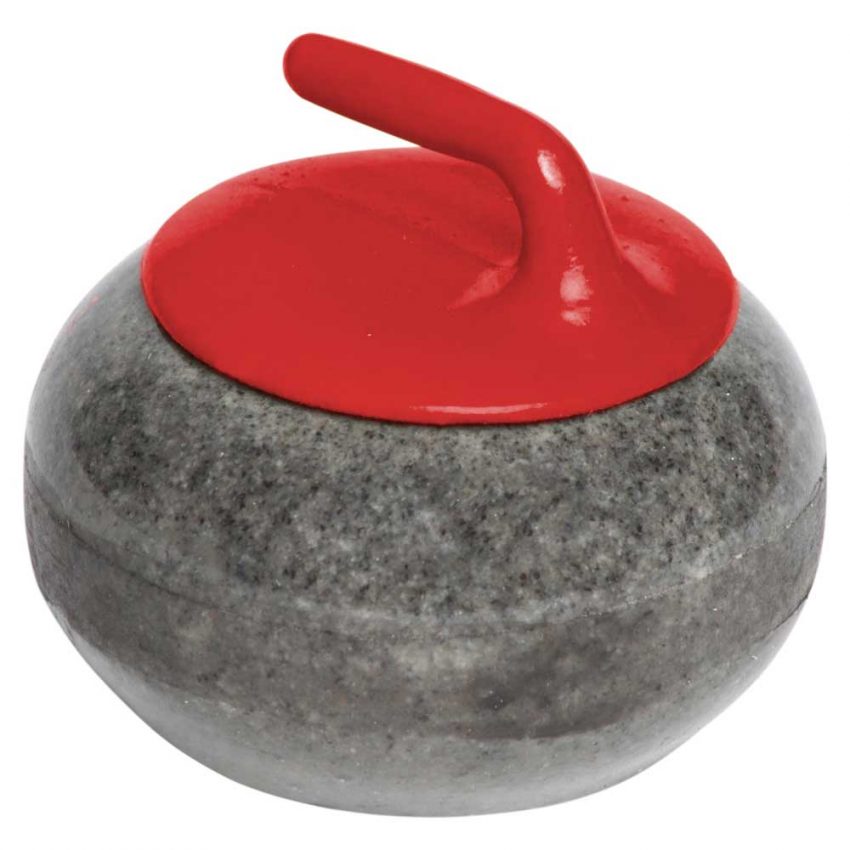
- Made of granite
- Weigh approximately 38–44 pounds
- Feature a handle for grip and rotation
The slight rotation applied during release causes the stone to “curl” as it moves.
What Is Sweeping in Curling?
Sweeping is one of the most misunderstood but critical aspects of curling.
By vigorously brushing the ice in front of a moving stone, players:
- Reduce friction
- Extend the stone’s travel distance
- Influence its direction
Sweeping requires communication, timing, and endurance—and can completely change the outcome of a shot.
Olympic Curling Scoring Explained
Games are divided into rounds called ends:
- 10 ends in men’s and women’s events
- 8 ends in mixed doubles
After all stones are thrown:
- Only one team scores per end
- Each stone closer to the button than the opponent’s closest stone scores one point
Matches are won by total points after all ends are completed.
Why Olympic Curling Is So Strategic
Unlike many Olympic sports, curling is not about speed or strength—it’s about:
- Shot placement
- Defensive blocking
- Offensive takeouts
- Long-term planning across multiple ends
Elite teams often think three or four shots ahead, making each decision critical.
Why Curling Has Become an Olympic Fan Favorite
Curling’s rise in popularity comes from:
- Easy-to-understand scoring
- High drama late in matches
- Clear visuals for TV audiences
- Relatable teamwork and communication
It’s a sport where newcomers can follow the basics quickly, but mastery takes years.
Final Thoughts: What Makes Olympic Curling Unique
Olympic curling stands out because it blends precision, patience, and psychology in a way few sports do. Every stone matters, every sweep counts, and momentum can change instantly.
Whether you’re watching for the first time or following a national team, curling offers a surprisingly intense and rewarding Olympic experience.