




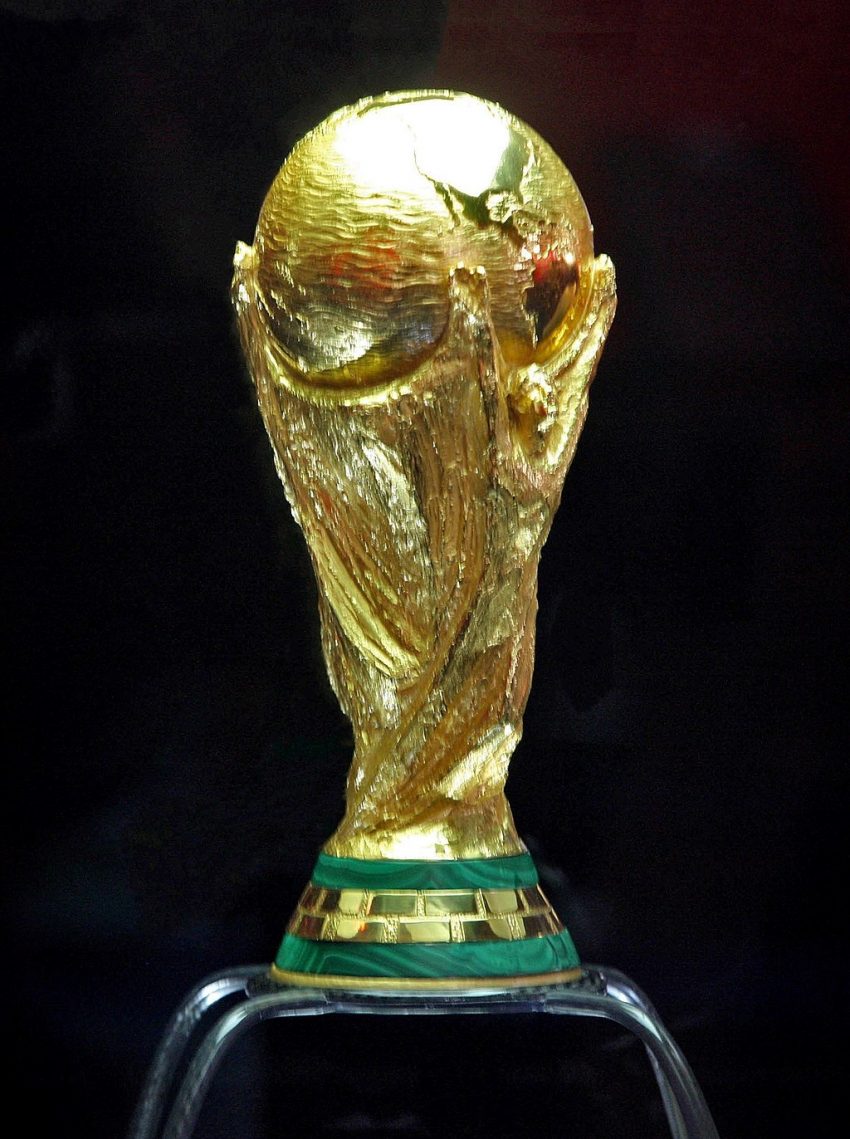
The FIFA World Cup is the biggest sporting event on the planet, bringing together the world’s best national teams to compete for soccer’s most coveted trophy. But one question fans often ask is: Why is the FIFA World Cup held every four years?
The answer lies in a combination of tradition, logistics, player welfare, and the global qualification process. Here’s why FIFA continues to stage the World Cup once every four years.
Why Does the FIFA World Cup Take Place Every Four Years?
The FIFA World Cup follows a four-year cycle because it allows enough time for qualifying tournaments, host nation preparations, and player recovery while maintaining the tournament’s prestige.
Unlike domestic leagues, which are played annually, the World Cup features national teams from across the globe. Organizing the competition requires years of planning and coordination between FIFA, host countries, national federations, clubs, broadcasters, and sponsors.
The Qualification Process Takes Years
One of the biggest reasons for the four-year cycle is the lengthy qualification process.
More than 200 FIFA member nations compete for a limited number of World Cup spots. Qualification matches are held across FIFA’s six continental confederations:
- UEFA (Europe)
- CONMEBOL (South America)
- CONCACAF (North America, Central America, and the Caribbean)
- CAF (Africa)
- AFC (Asia)
- OFC (Oceania)
These qualifying competitions typically span nearly two years, ensuring every region has a fair opportunity to earn a place at the World Cup.
Protecting Players and the Soccer Calendar
Most World Cup players also compete year-round for professional clubs in domestic leagues and international club competitions.
Holding the World Cup every four years helps prevent schedule congestion and reduces the physical demands placed on elite players. An annual or biennial tournament would significantly increase travel, international matches, and recovery concerns.
The current schedule also allows domestic leagues and continental competitions, such as the UEFA Champions League, Copa Libertadores, and other tournaments, to operate without major disruption.
Hosting a World Cup Requires Years of Preparation
Hosting the FIFA World Cup is one of the largest logistical undertakings in sports.
Host nations spend years preparing by:
- Building or renovating stadiums
- Expanding transportation systems
- Improving airports and public infrastructure
- Organizing security and volunteer programs
- Preparing accommodations for teams, media, and millions of fans
FIFA typically awards hosting rights several years in advance to ensure countries have sufficient time to prepare for the tournament.
The Four-Year Tradition Dates Back to 1930
The first FIFA World Cup was held in Uruguay in 1930.
Since then, the tournament has been played every four years, with only two exceptions:
- 1942 – Canceled because of World War II
- 1946 – Canceled because of World War II
The four-year cycle has become one of the defining traditions of international soccer and contributes to the excitement surrounding each edition.
Why Doesn’t FIFA Hold the World Cup Every Two Years?
In 2021, FIFA explored the possibility of staging the men’s World Cup every two years.
However, the proposal received significant opposition from clubs, leagues, players’ unions, UEFA, CONMEBOL, and many stakeholders across world soccer.
Critics argued that a biennial World Cup would:
- Increase player fatigue
- Overcrowd the international calendar
- Reduce the tournament’s prestige
- Disrupt domestic league competitions
As a result, FIFA did not move forward with the proposal, and the four-year cycle remains in place.
Why the Four-Year Format Works
The current schedule allows FIFA to balance competitive integrity, global participation, and player welfare while preserving the tournament’s unique appeal.
The long wait between tournaments builds anticipation among fans, gives emerging players time to develop, and ensures every World Cup feels like a truly special global event.
Frequently Asked Questions
Why is the FIFA World Cup only every four years?
The World Cup is held every four years to allow time for qualification, host country preparations, player recovery, and to maintain the tournament’s prestige.
Has the World Cup always been every four years?
Yes. Since the inaugural tournament in 1930, the FIFA World Cup has followed a four-year cycle, except for the canceled 1942 and 1946 editions due to World War II.
Will FIFA ever hold the World Cup every two years?
FIFA previously considered a biennial World Cup, but the proposal faced widespread opposition from leagues, clubs, players, and football confederations. There are currently no plans to change the four-year schedule.
Why is the World Cup considered so special?
Its rarity is one of the reasons. Because it is held only once every four years, winning the FIFA World Cup is regarded as the highest achievement in international soccer, making each tournament one of the most anticipated sporting events in the world.