




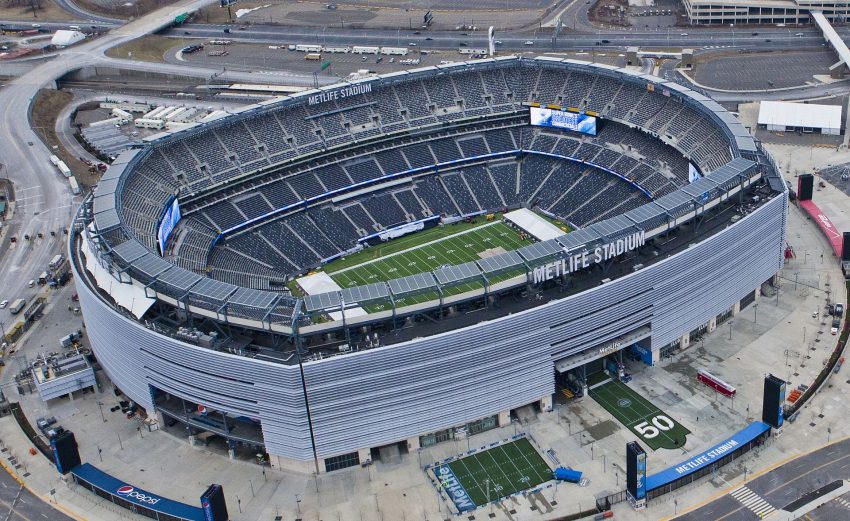
The debate over natural grass versus artificial turf has become one of the biggest player safety issues in professional football. While many fans assume the NFL would naturally use grass fields, nearly half of the league’s teams continue to play on synthetic surfaces.
Following the successful installation of natural grass at several NFL stadiums during the 2026 FIFA World Cup, the discussion has intensified. Players have increasingly questioned why world-class grass fields can be used for soccer’s biggest tournament but not for the NFL season.
Here’s why the NFL continues to use artificial turf and why many players are pushing for change.
Why Doesn’t the NFL Use Natural Grass?
The NFL doesn’t exclusively use natural grass because stadium owners must balance player safety with financial, logistical, and operational realities. Artificial turf offers several advantages that make it attractive to teams and stadium operators.
1. Multi-Purpose Stadiums
Many NFL stadiums are used for much more than football. Throughout the year, they host:
- Concerts
- College football games
- International soccer matches
- Monster truck events
- Festivals and other entertainment events
Natural grass can be severely damaged by repeated use, while synthetic turf can withstand frequent events with little downtime. This allows stadiums to generate significantly more revenue throughout the year.
2. Weather and Climate Challenges
Maintaining an NFL-quality grass field isn’t easy in every city.
Cold-weather markets such as Green Bay, Buffalo, Cleveland, and Pittsburgh face freezing temperatures late in the season, while domed stadiums often lack the sunlight needed for healthy grass growth. Hot climates also require extensive irrigation and maintenance to keep playing surfaces in top condition.
Many stadiums invest heavily in grow lights, heating systems, and specialized grounds crews, but maintaining premium grass remains a year-round challenge.
3. Lower Long-Term Maintenance Costs
Artificial turf generally costs less to maintain over time.
Natural grass requires:
- Daily maintenance
- Regular watering
- Fertilization
- Mowing
- Pest management
- Seasonal re-sodding
Although installing synthetic turf requires a significant upfront investment, many owners believe it reduces ongoing maintenance expenses.
4. More Stadium Availability
Artificial turf allows stadiums to host events almost every day without worrying about damaging the playing surface.
Grass fields often need days or even weeks to recover after major events, limiting scheduling opportunities and reducing revenue potential.
Why NFL Players Prefer Natural Grass
The NFL Players Association (NFLPA) has repeatedly advocated for every NFL stadium to use natural grass.
Players argue that grass:
- Provides softer landings
- Reduces stress on knees and ankles
- Feels more natural underfoot
- May help reduce certain lower-body injuries
Several high-profile players have publicly called for league-wide adoption of natural grass in recent years.
Does Natural Grass Reduce Injuries?
Research comparing natural grass and artificial turf has produced mixed findings, but several studies have found that:
- Non-contact lower-extremity injuries occur more frequently on artificial turf.
- Foot and ankle injuries tend to be more common on synthetic surfaces.
- Findings regarding ACL injuries have been less consistent across studies.
While scientists continue to study the issue, many NFL players believe their personal experience clearly favors natural grass.
How the 2026 FIFA World Cup Changed the Conversation
The 2026 FIFA World Cup significantly reshaped the debate.
FIFA requires World Cup matches to be played on natural grass, meaning several NFL stadiums temporarily replaced their synthetic turf with specially installed natural grass fields for the tournament.
The successful use of these surfaces demonstrated that many NFL venues are capable of hosting elite-level natural grass, even in stadiums that typically feature artificial turf.
That led many players to ask a simple question:
If these stadiums can provide world-class grass for the biggest soccer tournament in the world, why can’t they do the same during the NFL season?
The issue quickly gained momentum as players renewed calls for permanent natural grass fields across the league.
Which NFL Teams Already Play on Natural Grass?
Several NFL franchises currently play their home games on natural grass, including:
- Green Bay Packers
- Chicago Bears
- Pittsburgh Steelers
- Cleveland Browns
- Kansas City Chiefs
- Baltimore Ravens
- Tennessee Titans
- Jacksonville Jaguars
- Tampa Bay Buccaneers
- Miami Dolphins
- Washington Commanders
- Philadelphia Eagles
- Las Vegas Raiders (using a retractable natural grass tray system)
Other teams continue to use artificial turf, particularly those playing in domed or heavily utilized multi-purpose stadiums.
Will the NFL Eventually Switch to Natural Grass?
Pressure continues to build on the league as players, fans, and medical experts debate the future of playing surfaces.
Although replacing every artificial field would require significant investment and operational changes, the success of natural grass installations during the 2026 FIFA World Cup has strengthened the argument that broader adoption is both feasible and beneficial.
Whether the NFL ultimately moves toward league-wide natural grass remains uncertain, but the conversation has never been more prominent.
Final Thoughts
The NFL’s continued use of artificial turf comes down to economics, stadium versatility, maintenance, and scheduling flexibility. However, player concerns surrounding safety and injury risk continue to drive calls for change.
With the 2026 FIFA World Cup proving that natural grass can thrive in many NFL venues, the debate is likely to remain one of the league’s most important offseason topics for years to come.