




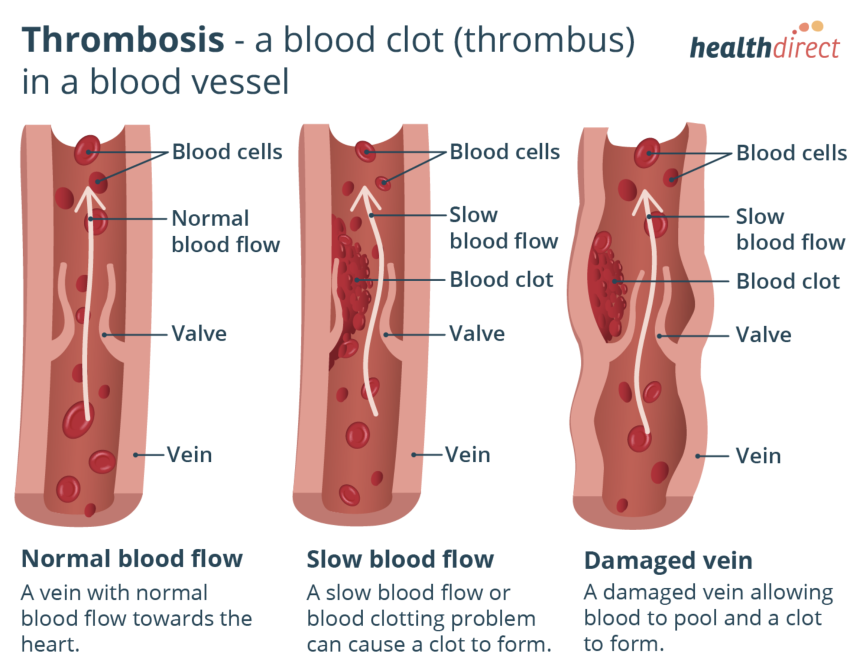
A superficial blood clot is a clot in a vein close to the skin’s surface. Known as superficial vein thrombosis, it is often called superficial thrombophlebitis when accompanied by inflammation. It usually affects the legs but can also develop in the arms.
Although generally less serious than a deep vein clot, it still deserves medical attention because it can sometimes extend into deeper veins. Cambridge University Hospitals
What Are the Symptoms?
Common superficial blood clot symptoms include:
- Pain or tenderness along a vein.
- Warmth and localized swelling.
- Redness or darkened skin.
- A vein that feels firm or hard beneath the skin.
Color changes may be less noticeable on darker skin. New pain, warmth, swelling, or a hard, tender vein should be checked promptly. NHS: Phlebitis
What Causes a Superficial Blood Clot?
A clot may develop after irritation or injury to a vein, including an IV insertion. Varicose veins, reduced mobility, previous clots, pregnancy, and certain hormonal medicines can increase the risk. Sometimes there is no obvious cause. Cambridge University Hospitals
Superficial Blood Clot vs. DVT: What Is the Difference?
The main difference is the vein involved: a superficial clot forms near the skin, while deep vein thrombosis (DVT) develops in a deeper vein.
DVT can cause one-sided leg swelling, calf or thigh pain, and skin discoloration. A deep clot can travel to the lungs and cause a potentially life-threatening pulmonary embolism. Symptoms can overlap, so appearance alone cannot reliably distinguish the conditions. If DVT is suspected, a clinician may arrange an ultrasound. NHS: Deep Vein Thrombosis
How Is a Superficial Blood Clot Treated?
Depending on the assessment, treatment may include:
- Warm, moist compresses for discomfort.
- Staying mobile and elevating the affected limb when resting.
- Appropriate pain relief or anti-inflammatory medication.
- Compression stockings recommended and fitted by a healthcare professional.
- Blood thinners when needed to reduce the risk of clot extension.
If you take blood thinners, do not take ibuprofen unless your clinician advises it. NHS treatment guidance
How Long Does It Take to Heal?
Symptoms often settle over several weeks, although a firm lump or darker skin may remain longer. Recovery varies, and worsening symptoms need reassessment rather than simply more time. Cambridge University Hospitals
When Should You Seek Urgent Care?
Seek urgent medical assessment if swelling involves the whole leg, pain suddenly worsens, or redness and hardness spread toward the groin or behind the knee. These changes may indicate clot extension. Cambridge University Hospitals
Call emergency services if you develop sudden shortness of breath or chest pain, especially alongside leg pain or swelling. These can signal a pulmonary embolism. NHS emergency guidance