




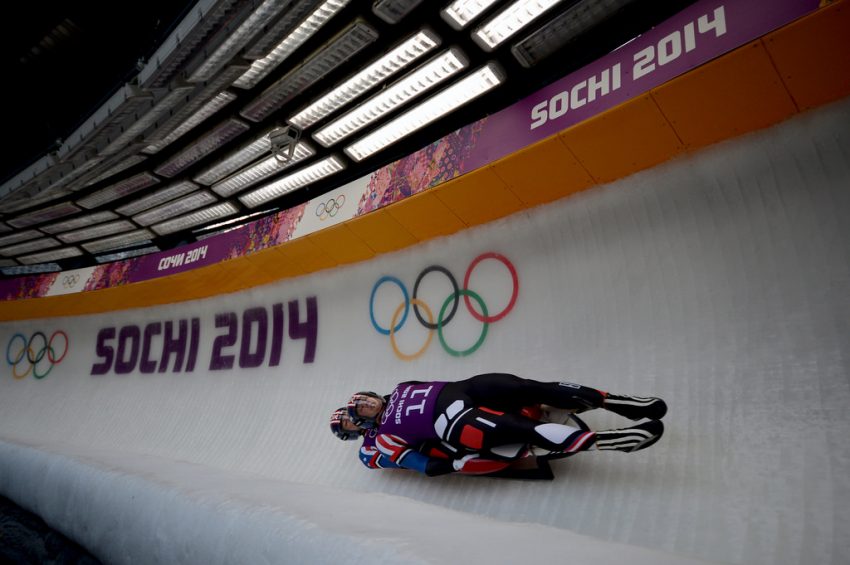
Luge is one of the fastest and most technical Winter Olympic sports in the world. Athletes race feet-first on a small sled at speeds exceeding 85–90 mph, navigating tight curves with subtle body movements. But how do you train for luge?
Training for luge combines explosive strength, technical precision, mental focus, and track familiarity. Whether you’re interested in competing or simply curious about how Olympic lugers prepare, here’s a complete breakdown.
Why the Start Is Everything in Luge
The first 20–30 meters of a luge run are critical. Because races are often decided by hundredths of a second, the start can determine podium positions.
Start Training Focus:
- Explosive upper-body power
- Grip strength
- Reaction time
- Core engagement
- Sprint mechanics from a seated position
Common Start Drills:
- Start handle pull simulations
- Medicine ball chest passes
- Pull-ups and lat pulldowns
- Short acceleration sprints
- Plyometric jumps
Elite lugers spend countless hours refining their start technique.
Strength and Power Training for Luge Athletes
Lugers are lean, powerful, and highly explosive. The goal isn’t size — it’s power-to-weight ratio.
Gym Focus:
- Olympic lifts (cleans, snatches)
- Squats and deadlifts
- Core rotational work
- Upper-body pulling strength
- Grip endurance training
Training cycles are often periodized, with heavier strength blocks in the offseason and speed-focused work during competition season.
Core Stability and Precision Control
Steering in luge happens through small body movements — especially from the shoulders, legs, and core. Even minor instability can cost speed.
Core Training Includes:
- Planks (weighted and dynamic)
- Anti-rotation exercises (Pallof presses)
- Stability ball work
- Balance board drills
- Isometric holds
High-level lugers develop exceptional body control under pressure.
Track Familiarization and Technical Training
Memorizing the track is essential. Athletes study every curve and transition before competition.
Preparation Methods:
- Walking the track before races
- Studying curve geometry
- Reviewing video footage
- Keeping track journals
- Repeated practice runs
At elite levels, knowledge of the track can be the difference between winning and crashing.
The sport is governed internationally by the International Luge Federation, which oversees World Cup and Olympic competition.
In the United States, athlete development programs are run by USA Luge.
Mental Training in Luge
When traveling at extreme speeds, hesitation can be costly. Mental composure is a defining trait of elite lugers.
Athletes use:
- Visualization techniques
- Reaction training drills
- Controlled breathing exercises
- Sports psychology sessions
- Routine development for race consistency
Confidence and repetition build mental toughness.
Summer and Off-Season Luge Training
Ice tracks are seasonal, so offseason preparation is crucial.
Offseason Training Includes:
- Roller sled training on push tracks
- Sprint intervals
- Weightlifting blocks
- Aerobic conditioning
- Mobility and flexibility work
Maintaining explosiveness year-round is key.
Sample Weekly Luge Training Plan
Day 1: Explosive lifts + Start drills
Day 2: Sprint training + Core stability
Day 3: Track runs + Technical review
Day 4: Upper-body power + Visualization work
Day 5: Speed endurance + Start repetitions
Weekend: Track sessions or recovery focus
Physical Traits of Elite Lugers
- Explosive power
- Fast reaction time
- Strong core stability
- Aerodynamic body awareness
- Mental composure under pressure
How to Get Started in Luge
Most athletes begin at a young age through regional development programs. In the U.S., aspiring lugers can connect with USA Luge for beginner camps and youth programs.
From there, athletes progress through national development pipelines toward World Cup and Olympic competition.
Final Thoughts
Training for luge is far more complex than simply sliding down ice. It requires elite-level strength, technical precision, mental focus, and relentless repetition. Every fraction of a second matters.
Whether you’re aiming for Olympic competition or just exploring the sport, understanding how lugers train reveals just how demanding — and fascinating — this high-speed winter discipline truly is.