





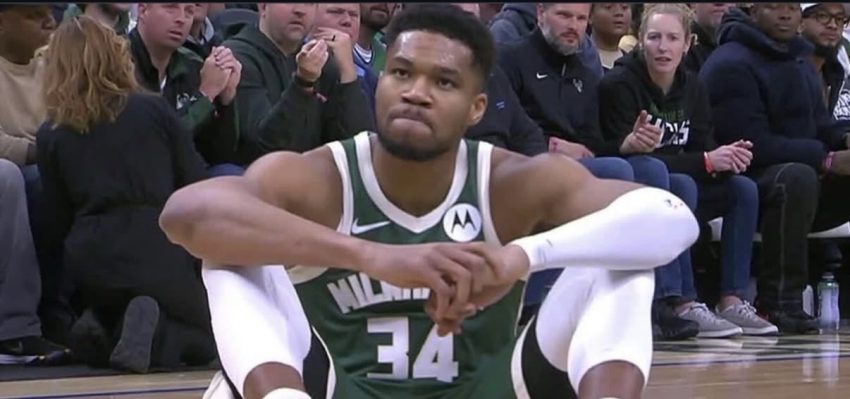
A strained calf may seem like a minor muscle injury, but in many cases, it can directly contribute to a serious Achilles tendon injury. Because the calf muscles and Achilles tendon function as one connected system, damage to one area often affects the other. Understanding this relationship is essential for preventing chronic pain, long-term mobility issues, and even tendon rupture.
This guide explains how a calf strain can lead to an Achilles injury, the warning signs to watch for, and how to prevent further damage.
How the Calf and Achilles Tendon Are Connected
The gastrocnemius and soleus muscles make up the calf and connect at the base of the leg to form the Achilles tendon, which attaches to the heel bone. Every time you:
- Walk
- Run
- Jump
- Push off your foot
Both the calf muscles and Achilles tendon work together. When one is injured, the other is forced to compensate.
How a Calf Strain Can Lead to an Achilles Injury
1. Increased Stress on the Achilles Tendon
When a calf muscle is strained or weakened, the Achilles tendon absorbs extra mechanical load. This can lead to:
- Achilles tendinitis
- Microtears in the tendon
- Partial tendon tears
- Full Achilles rupture in severe cases
2. Altered Walking and Running Mechanics
After a calf injury, many people unknowingly:
- Change their walking pattern
- Push off differently with the injured leg
- Shift weight unevenly
These compensations place abnormal stress on the Achilles, accelerating tendon damage.
3. Calf Tightness After Healing
As the strained calf heals, scar tissue forms and flexibility decreases. A tight calf muscle constantly pulls on the Achilles tendon, increasing the risk of:
- Chronic Achilles tendinopathy
- Long-term stiffness
- Recurring inflammation
4. Returning to Activity Too Soon
One of the most common causes of Achilles injury after a calf strain is returning to sports too early. High-impact activity before full calf recovery forces the Achilles to handle stress it is not ready for.
Symptoms That Suggest the Achilles Is Now Involved
If calf pain progresses into an Achilles injury, symptoms often include:
- Pain just above the heel
- Achilles stiffness, especially in the morning
- Swelling or thickening along the tendon
- Sharp pain during push-off
- Tenderness when squeezing the tendon
If these symptoms appear after a calf strain, the injury may no longer be isolated to the muscle.
Can a Calf Strain Directly Cause an Achilles Rupture?
Yes. While uncommon, untreated calf injuries combined with early return to explosive movement significantly increase the risk of Achilles rupture, especially in:
- Runners
- Basketball players
- Soccer players
- Tennis players
- Adults over 30
Sudden sprinting or jumping while compensating for a weak calf is a major rupture trigger.
How to Prevent an Achilles Injury After a Calf Strain
To protect your Achilles during recovery:
- Allow full calf healing before returning to running
- Perform progressive calf strengthening
- Stretch gently once pain allows
- Avoid sudden sprinting or uphill running early on
- Wear proper footwear with heel support
- Follow physical therapy guidelines if prescribed
When to See a Doctor
Seek medical evaluation if you experience:
- Sudden sharp pain in the heel
- A popping sensation in the back of the ankle
- Inability to push off your foot
- Persistent Achilles pain lasting more than 7 to 10 days
Early diagnosis prevents long-term tendon damage.
Final Answer: Can a Strained Calf Cause an Achilles Injury?
Yes, a strained calf can absolutely cause or contribute to an Achilles heel injury. This happens through:
- Increased tendon stress
- Altered movement patterns
- Calf tightness
- Early return to physical activity
Treating the calf injury fully is one of the most important steps in preventing chronic Achilles problems.