




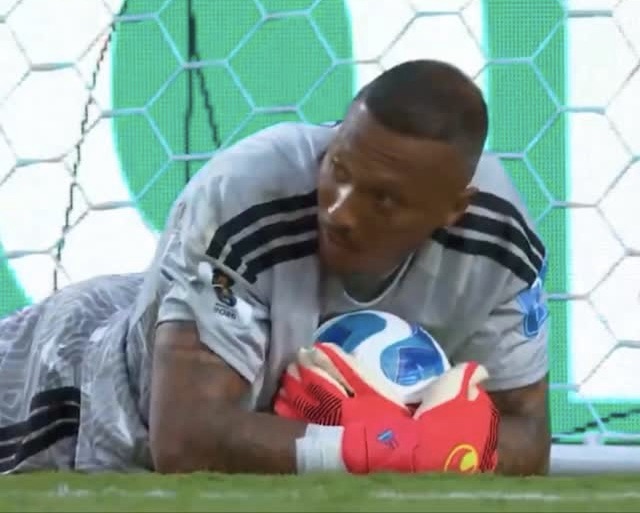
The intensity of the 2026 FIFA World Cup has led to increased scrutiny of physical play inside the penalty area, especially when goalkeepers challenge for crosses and corner kicks. One of the most debated officiating decisions involves goalkeeper interference—when attackers make contact with a goalkeeper before a goal is scored.
While there are no special goalkeeper interference rules unique to the World Cup, FIFA applies the IFAB Laws of the Game with the assistance of VAR, making these incidents closely reviewed throughout the tournament.
Here’s everything fans need to know about the goalkeeper interference rules at the 2026 FIFA World Cup.
Is goalkeeper interference a foul in the 2026 FIFA World Cup?
Yes. Goalkeeper interference is considered a foul when an attacking player illegally prevents the goalkeeper from playing the ball.
Goalkeepers are allowed to be challenged just like any other player, but attackers cannot:
- Push or shove the goalkeeper.
- Hold or grab the goalkeeper.
- Block the goalkeeper’s movement without attempting to play the ball.
- Prevent the goalkeeper from jumping for a cross.
- Deliberately stand in the goalkeeper’s path solely to impede them.
If any of these actions occur, the referee can award a defensive free kick and disallow any goal that results from the foul.
Can attackers challenge a goalkeeper for the ball?
Absolutely.
Attackers are permitted to:
- Jump for headers.
- Compete for aerial balls.
- Challenge for loose crosses.
- Battle shoulder-to-shoulder in a fair manner.
However, the challenge must be legal.
A player who jumps through the goalkeeper, uses excessive force, or makes unnecessary contact risks committing a foul.
What happens during corner kicks?
Corner kicks are where goalkeeper interference most commonly occurs.
Referees pay close attention to attackers attempting to obstruct the goalkeeper before the ball arrives.
Legal actions include:
- Fighting for position.
- Jumping fairly for the ball.
- Occupying space without impeding the goalkeeper.
Illegal actions include:
- Holding the goalkeeper’s arms.
- Backing into the goalkeeper.
- Pushing the goalkeeper while airborne.
- Preventing the goalkeeper from moving toward the ball.
If a goal is scored after illegal contact, it may be ruled out.
Can players block the goalkeeper from releasing the ball?
No.
Once a goalkeeper has possession of the ball with their hands, opponents are not allowed to interfere with the release.
Examples of illegal actions include:
- Standing directly in front of the goalkeeper.
- Deliberately blocking a throw or punt.
- Delaying the goalkeeper’s release.
In these situations, the defending team is typically awarded an indirect free kick.
Does VAR review goalkeeper interference?
Yes.
At the 2026 FIFA World Cup, VAR reviews goals that may have involved illegal interference with the goalkeeper.
Officials can examine whether:
- An attacker committed a foul before the goal.
- The goalkeeper was illegally impeded.
- Contact affected the goalkeeper’s ability to make a save.
If VAR determines that illegal interference occurred, the referee can overturn the goal and restart play with a free kick for the defending team.
Are goalkeepers protected more than other players?
Goalkeepers do not receive complete immunity under the Laws of the Game.
However, referees generally offer greater protection when goalkeepers are:
- Catching crosses.
- Punching aerial balls.
- Jumping in crowded penalty areas.
Because goalkeepers are often in vulnerable positions during these moments, even slight illegal contact can result in a foul being called.
Why are these decisions so closely monitored?
The 2026 FIFA World Cup has featured an increased emphasis on player safety and consistent officiating.
FIFA instructed referees and VAR officials to closely monitor physical contact involving goalkeepers, particularly on corner kicks and free kicks inside the penalty area.
As a result, fans have seen goals overturned when attackers illegally prevented goalkeepers from making legitimate attempts to play the ball.
Goalkeeper interference rules at the 2026 FIFA World Cup FAQ
Can an attacker stand in front of the goalkeeper?
Yes, provided they are attempting to play the ball and are not illegally blocking or preventing the goalkeeper from moving.
Can a goalkeeper be challenged in the air?
Yes. Goalkeepers may be challenged fairly for crosses and headers, but attackers cannot push, hold, or charge them unfairly.
Can VAR overturn a goal for goalkeeper interference?
Yes. If VAR determines that illegal contact affected the goalkeeper’s ability to play the ball, the referee can disallow the goal.
Can players stop a goalkeeper from throwing the ball?
No. Once the goalkeeper has possession, opponents cannot block or delay the release of the ball.
Final thoughts
Goalkeeper interference remains one of the most closely officiated aspects of the 2026 FIFA World Cup. While attackers are free to challenge goalkeepers for crosses and loose balls, any illegal contact—such as pushing, holding, or obstructing the goalkeeper’s movement—can lead to a foul and even the cancellation of a goal after VAR review.
With every knockout-stage match carrying enormous stakes, understanding these rules helps explain why referees often take a second look at goals scored from crowded penalty-area situations.