




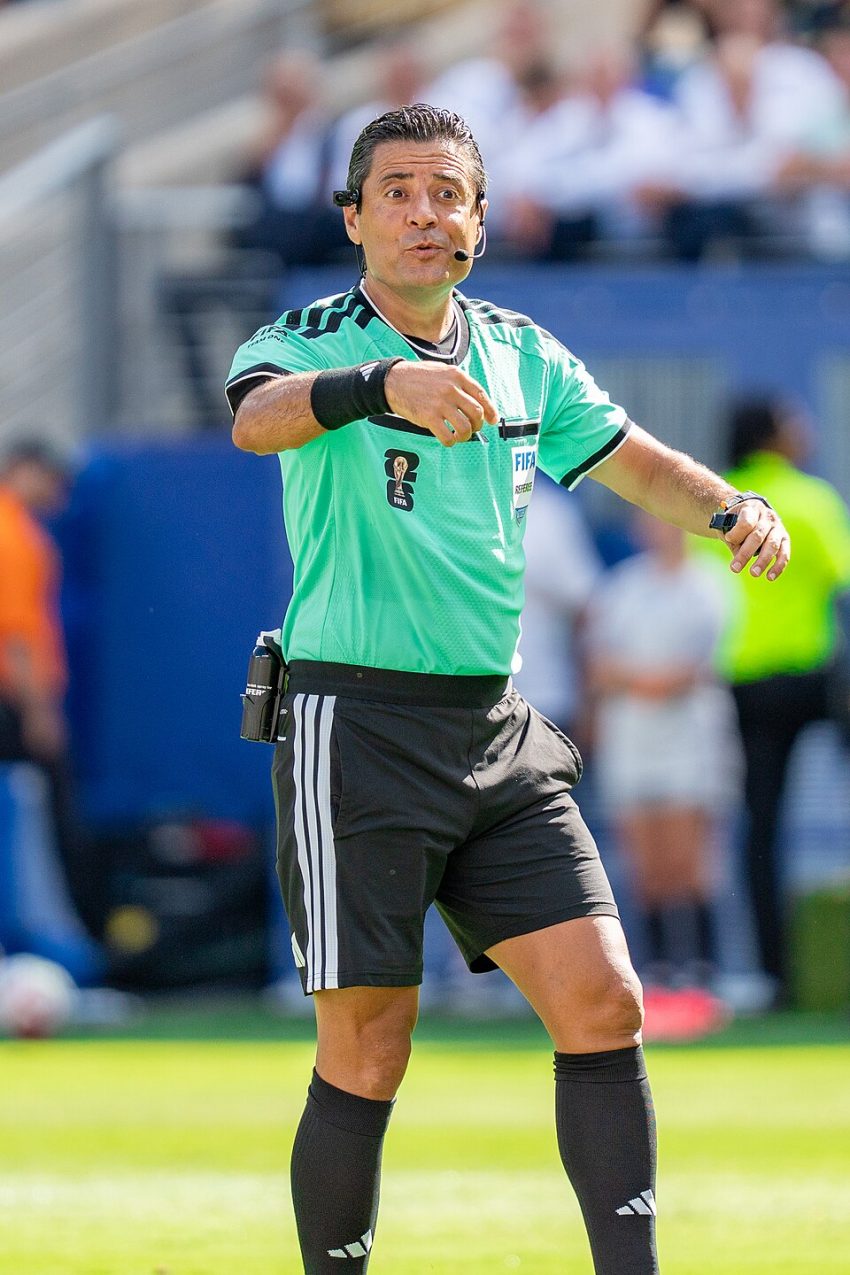
Stoppage time has become one of the most talked-about aspects of the 2026 FIFA World Cup, with fans regularly seeing matches extended well beyond the traditional 90 minutes. Whether it’s a lengthy VAR review, injury treatment, or goal celebration, referees are responsible for ensuring that lost playing time is made up before the final whistle.
Here’s everything you need to know about how stoppage time works and how many minutes referees can add during World Cup matches.
What Is Stoppage Time?
Stoppage time, also known as added time or injury time, is the extra time a referee adds to the end of each half to compensate for periods when the ball was out of play.
Unlike sports with a stopped game clock, the clock in soccer continues to run during interruptions. Instead of pausing the clock, referees add the lost time to the end of each 45-minute half.
What Counts Toward Stoppage Time?
Referees consider several factors when determining how much time to add, including:
- Injuries and medical treatment
- Goal celebrations
- Player substitutions
- VAR reviews and on-field referee reviews
- Time-wasting tactics
- Penalty kick delays
- Hydration or cooling breaks
- Any other significant interruptions that delay play
The amount displayed by the fourth official represents the minimum amount of added time.
Is There a Maximum Amount of Stoppage Time?
No.
There is no limit to how many minutes referees can add in the FIFA World Cup. The referee has complete authority to determine how much time should be played based on the delays that occurred during the half.
If additional stoppages occur during added time—such as another injury, VAR review, or time-wasting—the referee can extend the match even further.
How Much Stoppage Time Is Usually Added?
The amount of added time depends entirely on what happens during the match.
Typical ranges include:
- 2–5 minutes: Few interruptions
- 5–8 minutes: Several substitutions, injuries, or lengthy celebrations
- 8–12 minutes: Multiple VAR reviews, medical stoppages, or hydration breaks
- 15 or more minutes: Rare cases involving numerous lengthy interruptions
Fans have regularly seen double-digit stoppage time during the 2026 FIFA World Cup due to more accurate timekeeping.
Why Has Stoppage Time Increased in Recent World Cups?
Beginning with the 2022 FIFA World Cup, FIFA encouraged officials to calculate lost time more precisely rather than estimating conservatively.
As a result, referees now account for nearly every significant interruption, including goal celebrations, lengthy VAR checks, substitutions, and medical treatment. This has led to noticeably longer periods of added time throughout the 2026 tournament.
The change has also resulted in more late goals, dramatic comebacks, and exciting finishes during knockout-stage matches.
Does Extra Time Have Stoppage Time?
Yes.
If a knockout match is tied after 90 minutes plus stoppage time, the teams play 30 minutes of extra time, split into two 15-minute halves.
Each half of extra time can also include its own stoppage time if delays occur. If the score remains level after extra time, the winner is decided by a penalty shootout.
Frequently Asked Questions
Is stoppage time the same as injury time?
Yes. The terms stoppage time, added time, and injury time are commonly used interchangeably.
Can a referee end the match before the announced added time?
Generally, no. The number shown by the fourth official is the minimum amount of added time. Referees usually play at least that long and may extend it further if additional delays occur.
Can referees add more time after the board is shown?
Yes. If there are injuries, substitutions, VAR reviews, or other delays during stoppage time itself, the referee may continue the match beyond the displayed minimum.
Final Thoughts
Stoppage time is designed to ensure teams receive the full amount of playing time despite interruptions throughout the match. In the 2026 FIFA World Cup, referees have continued FIFA’s emphasis on accurately accounting for lost time, leading to longer added-time periods and more dramatic finishes than ever before.
With no maximum limit on added time, fans should expect referees to extend matches whenever significant delays occur, ensuring every minute of action counts.