




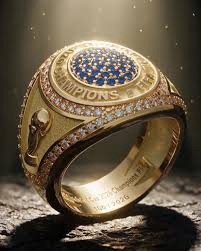
The winners of the FIFA World Cup 2026 will receive championship rings for the first time in the tournament’s history, adding a new American-inspired tradition to soccer’s biggest celebration.
FIFA announced that the team winning the World Cup final between Spain and Argentina will receive specially designed rings in addition to the iconic FIFA World Cup Trophy and traditional gold medals. The championship match is scheduled for Sunday, July 19, at New York New Jersey Stadium in East Rutherford, New Jersey. (NBC New York)
Will the 2026 World Cup winners receive championship rings?
Yes. FIFA confirmed that the 2026 World Cup champions will be presented with official championship rings.
It will be the first time FIFA has awarded rings to the winner of one of its competitions. Championship rings are commonly associated with major North American sports leagues, including the NFL, NBA, MLB and NHL.
The addition reflects the influence of the tournament’s three host countries—the United States, Canada and Mexico—while giving members of the championship team another permanent reminder of their historic achievement.
How many FIFA World Cup championship rings were made?
A total of 2,026 individually numbered rings have reportedly been produced to commemorate the 2026 tournament.
Of those, 30 rings will be reserved for members of the World Cup-winning team. The remaining 1,996 rings are expected to be offered as official collectibles for supporters. (Vanguard News)
The rings awarded to the champions will be customized to represent the winning country. They are expected to include World Cup imagery, team-specific details and individual sizing for each recipient.
The team captain and head coach are expected to receive ceremonial rings following the final, while the other customized rings will be produced and presented afterward.
Do World Cup winners still receive medals and the trophy?
The championship rings will not replace the World Cup’s traditional prizes.
The winning team will still lift the FIFA World Cup Trophy during the post-match ceremony, while players and members of the official delegation will receive gold medals. The rings will serve as an additional commemorative award.
Unlike the original World Cup Trophy, which remains the property of FIFA, a championship ring will provide recipients with a personalized award they can permanently keep.
Why is FIFA introducing championship rings?
Championship rings have become an important part of North American sports culture. They are usually personalized with a team’s logo, championship year, player name or number and symbols representing the championship season.
By introducing rings at the 2026 World Cup, FIFA is adopting a tradition familiar to many fans in the tournament’s host region.
The decision also gives FIFA an opportunity to create a new line of World Cup memorabilia. Individually numbered versions of the rings will allow supporters to purchase a collectible connected to the expanded 48-team tournament.
Fans react to FIFA’s championship ring decision
The announcement has received a mixed reaction from soccer supporters.
Some fans view the rings as an impressive keepsake that recognizes the contributions of players, coaches and staff. Others believe championship rings represent an unnecessary Americanization of a tournament already rich in established traditions.
Despite the debate, the rings will not alter the significance of the World Cup Trophy or the gold medals. Instead, they will become another symbol of victory for the team crowned world champion in 2026.
A historic prize for the 2026 World Cup champions
Whether Spain or Argentina wins the final, the victorious team will become the first world champion to receive official FIFA World Cup championship rings.
The introduction of the rings marks another major first for the 2026 tournament, which is also the first men’s World Cup to feature 48 teams and the first to be hosted jointly by three countries.
Alongside the trophy and gold medals, the championship rings will ensure that the winners of the FIFA World Cup 2026 leave New Jersey with a distinctive and personalized piece of soccer history.