




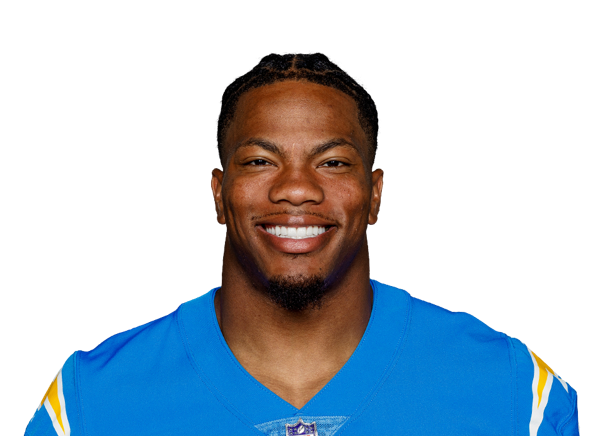
Los Angeles Chargers head coach Jim Harbaugh is pressing the NFL to close what he describes as a loophole in the trade deadline process. The issue surfaced after a last-minute deal that would have sent linebacker Daiyan Henley to the Denver Broncos collapsed following a physical, with the Broncos then seeking reduced draft compensation while still expressing interest in the player.
The Failed Daiyan Henley Trade
On trade deadline day (Tuesday, November 11, 2026), the Broncos and Chargers reached an agreement: Denver would send a 2027 fourth-round pick and a 2028 fifth-round pick to Los Angeles in exchange for Henley. Like most deadline deals, it was contingent on the player passing a physical.
Henley, a 2023 third-round pick in the final year of his rookie contract, has started every game for the winless Chargers (0-8) this season. He would have joined a Broncos team sitting near the top of the AFC West. During the physical in Denver on Wednesday, Broncos medical staff identified an issue with one of Henley’s knees. Reports have pointed to arthritis or lingering concerns from prior injury history, including a knee issue earlier in the season and a torn labrum that required surgery after the 2024 campaign.
Despite the findings, the Broncos did not simply walk away. They continued discussions with the Chargers throughout the day after the deadline, proposing revised compensation packages—such as a fourth-rounder plus a seventh-rounder, or a fourth-rounder with a pick swap. The Chargers rejected the lower offers, and the trade was ultimately nullified as a failed physical.
Harbaugh’s Frustration and the “Loophole”
Harbaugh’s core objection, reported by ESPN’s Lindsey Thiry and amplified by Adam Schefter, centers on the timing and leverage created by the rules. He noted that the Broncos were willing to acquire Henley under reduced compensation according to their internal pass/fail medical grading system, yet they would not complete the deal at the originally agreed terms—even though the medical information itself had not changed.
In Harbaugh’s view, this creates an imbalance. Once the deadline passes, the acquiring team holds significant power: it can flag medical concerns during the physical and renegotiate the draft-pick package downward, or threaten to fail the player entirely. The NFL does permit teams to adjust pick compensation after the deadline (though they cannot add or substitute different players), according to league officials. This window effectively extends negotiations beyond the official cutoff when medical evaluations are involved.
Pro Football Talk and other outlets have described the situation as exposing a structural flaw in how the league handles late deadline deals that remain pending physicals. A similar scenario played out around the same time with another collapsed trade (Bengals-Eagles involving Arnold Ebiketie), underscoring that these issues are not isolated.
Broader Implications for NFL Trades
The episode highlights longstanding tensions around medical evaluations in trades. Different teams apply different standards—what one club views as manageable wear-and-tear, another may treat as a red flag. For contending teams like the Broncos, the ability to renegotiate after the deadline provides a safety valve and potential cost reduction. For selling teams, especially those in rebuilding modes like the Chargers, it can undermine the value of hard-negotiated packages once the clock has expired.
Harbaugh’s request for a formal review asks the league to consider whether current rules sufficiently protect the integrity of the trade deadline or whether they inadvertently encourage post-deadline leverage plays tied to physicals. Potential fixes discussed in media coverage include stricter timelines for physicals on deadline deals, clearer guidelines on when renegotiation is allowed, or requirements that medical disagreements be resolved before the official deadline.
Henley remains with the Chargers for the rest of the season and is expected to resume playing. The Broncos retain their draft picks and will continue with their existing linebacker group. Both teams publicly expressed respect for the player.
Conclusion
The collapsed Daiyan Henley trade has moved beyond a simple failed physical into a discussion about process and fairness. Jim Harbaugh’s call for the NFL to examine the medical-renegotiation loophole puts the league’s trade rules under fresh scrutiny. Whether it leads to concrete changes remains to be seen, but the incident has already illustrated how timing, medical standards, and compensation can shift dramatically once the official deadline has passed.
Frequently Asked Questions
What was the original Daiyan Henley trade compensation?
A 2027 fourth-round pick and a 2028 fifth-round pick from the Broncos to the Chargers.
Why did the trade fall through?
The Broncos identified a knee issue during Henley’s physical and sought reduced draft compensation. The Chargers declined the revised offers.
What did Jim Harbaugh say about the situation?
He described it as a loophole, noting the Broncos were willing to take Henley for less compensation under their medical grading system but not at the agreed terms, even though the underlying medical report did not change.
Can NFL teams renegotiate trades after the deadline?
Yes, for draft-pick compensation (but not by adding or substituting different players), particularly when medical concerns arise from a pending physical.
Sources include reporting from ESPN (Adam Schefter, Lindsey Thiry, Jeff Legwold), Pro Football Talk, NFL.com, and team statements. Details current as of November 12, 2026.