




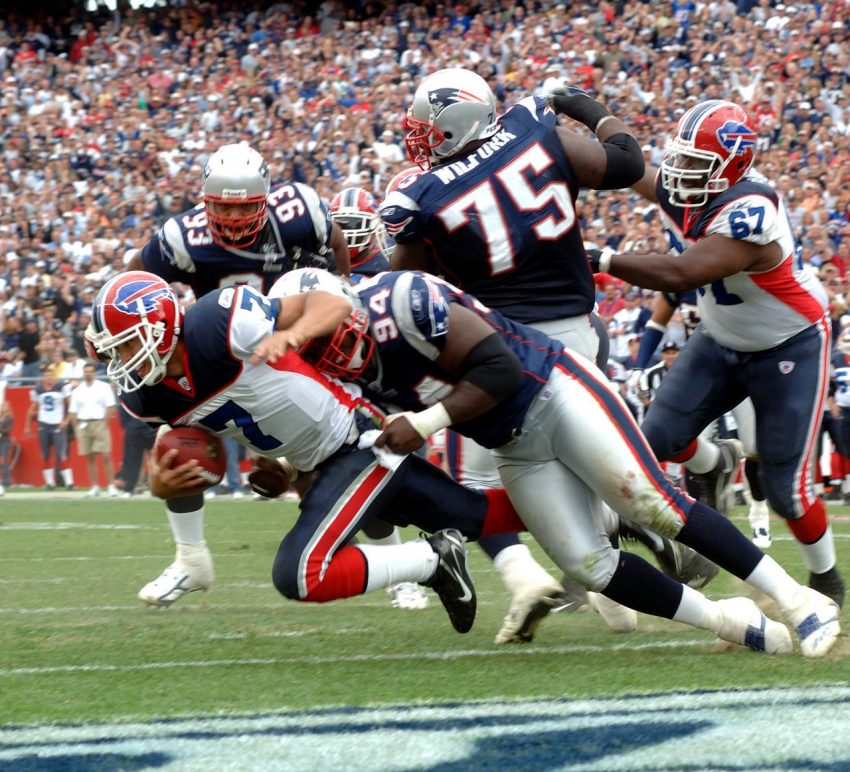
A safety is one of the rarest and most strategic scoring plays in the National Football League (NFL). While it only counts for two points, it can completely shift momentum because it also changes possession. Here’s a complete breakdown of what constitutes a safety in the NFL, how many points it’s worth, and how it happens during games.
How Many Points Is a Safety Worth in the NFL?
A safety is worth 2 points for the defensive team.
But the impact doesn’t stop there. After a safety:
- The scoring team receives the ball
- The team that gave up the safety must kick off from its own 20-yard line
This combination of points plus possession makes a safety one of the most impactful defensive plays in football.
What Constitutes a Safety in the NFL?
A safety occurs when the offensive team is responsible for the ball becoming dead inside its own end zone. This can happen in several different ways.
1. Ball Carrier Tackled in the End Zone
If a runner, wide receiver, or quarterback is brought down in their own end zone, it results in a safety.
2. Quarterback Sacked in the End Zone
If the quarterback retreats into the end zone and is sacked before throwing the ball, the defense is awarded a safety.
3. Intentional Grounding in the End Zone
If a quarterback throws the ball away from inside the end zone under pressure without an eligible receiver nearby, it is ruled intentional grounding and results in a safety.
4. Fumble Out of the Back of the End Zone
If the offense fumbles the ball and it rolls out of bounds through its own end zone, the result is a safety.
5. Offensive Penalty in the End Zone
Certain penalties by the offense that occur inside their own end zone result in a safety, including:
- Holding
- Illegal block in the back
- Tripping
- Intentional grounding
What Is NOT a Safety?
Not every end-zone play results in a safety. Here are a few common situations that do not count as one:
- If the defense commits a penalty in the end zone, it is not a safety.
- If a defender intercepts the ball and is tackled in the end zone, it is a touchdown, not a safety.
- If the ball carrier is stopped outside the end zone, it is not a safety.
What Happens After a Safety?
Once a safety is awarded:
- The defensive team gets 2 points.
- The offense must kick off from its own 20-yard line.
- The scoring team gains possession and often favorable field position.
This is why safeties are considered momentum-changing plays.
Has There Ever Been a One-Point Safety?
Yes — but it’s extremely rare. A one-point safety can only occur on:
- An extra point or two-point conversion attempt
- If the defense gains possession and is tackled in its own end zone
This has happened only a handful of times in football history.
Why Safeties Are So Important in Close Games
Safeties often occur due to:
- Pinned field position
- Strong defensive pressure
- Special teams mistakes
- Poor offensive line protection
Because they provide both points and possession, a late-game safety can decide the outcome of a close NFL matchup.
Final Thoughts: Understanding the Safety in Football
A safety may only be worth two points, but it’s one of the most powerful defensive plays in the NFL. Whether it comes from a sack, fumble, penalty, or quarterback mistake, a safety can completely change the flow of a game.