




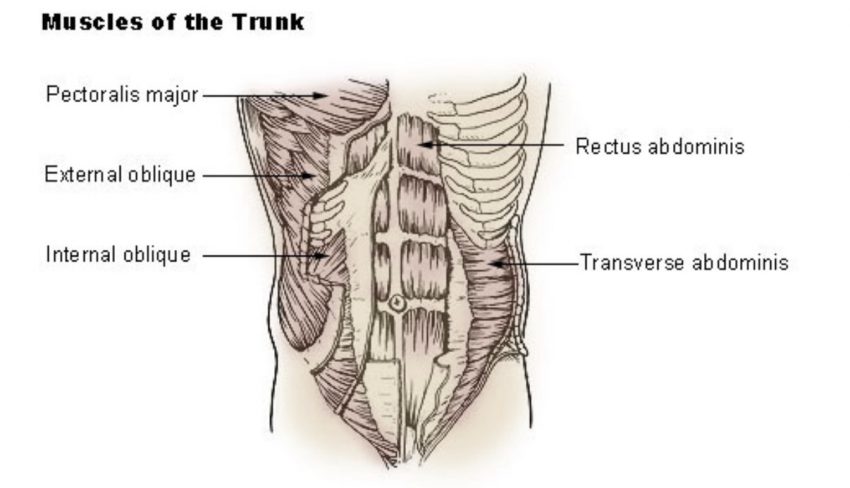
An oblique injury is a strain or tear involving the oblique abdominal muscles, which run along the sides of the torso and play a crucial role in rotation, bending, posture, and core stability. These injuries are especially common in athletes but can also occur during everyday activities involving twisting or sudden movement.
What Are the Oblique Muscles?
The obliques are part of the abdominal muscle group and are divided into two main types:
- External obliques – the outermost abdominal muscles, responsible for trunk rotation and side bending
- Internal obliques – deeper muscles that assist with rotation, stability, and core support
Together, these muscles help protect the spine, control movement, and generate power during athletic activity.
What Causes an Oblique Injury?
Oblique injuries typically occur when the muscles are overstretched or overloaded. Common causes include:
- Sudden twisting or rotational movements
- Explosive actions such as throwing, swinging, or sprinting
- Overuse from repetitive motion
- Poor core strength or inadequate warm-up
- Direct impact to the side of the torso
Sports with high rates of oblique injuries include baseball, football, golf, tennis, hockey, and soccer.
Symptoms of an Oblique Injury
Symptoms can range from mild discomfort to severe pain, depending on the severity of the injury. Common signs include:
- Sharp or aching pain along the side of the abdomen or lower ribs
- Pain when twisting, coughing, sneezing, or laughing
- Muscle tightness or spasms
- Swelling or bruising in more serious cases
- Reduced core strength or range of motion
Pain often worsens with movement and improves with rest.
Grades of Oblique Injuries
Oblique injuries are classified similarly to other muscle strains:
- Grade 1 (Mild): Muscle overstretching with minimal pain and no strength loss
- Grade 2 (Moderate): Partial muscle tear with noticeable pain and weakness
- Grade 3 (Severe): Complete tear with significant pain and functional loss (rare)
Treatment and Recovery Time
Treatment depends on injury severity but usually includes:
- Rest from physical activity
- Ice during the first 24–48 hours to reduce inflammation
- Anti-inflammatory medication if recommended by a healthcare provider
- Physical therapy focusing on core stability and controlled rotation
- Gradual return to activity once pain-free
Typical recovery timelines
- Mild strain: 1–2 weeks
- Moderate strain: 3–6 weeks
- Severe tear: 6 weeks or longer
Returning too early significantly increases the risk of reinjury.
Why Oblique Injuries Are Difficult to Heal
Oblique injuries can linger because these muscles are constantly engaged in breathing, posture, and everyday movement. Even routine actions can stress the injury, making proper rest and rehabilitation essential.
When to See a Doctor
Medical evaluation may be necessary if:
- Pain is severe or worsening
- Symptoms persist beyond a few weeks
- There is visible bruising or swelling
- Pain interferes with normal breathing or movement
Imaging such as an MRI may be used to confirm the diagnosis in athletes or severe cases.
Final Thoughts
An oblique injury may seem minor at first, but without proper treatment it can become a recurring issue. Early rest, targeted rehabilitation, and a gradual return to activity are key to a full recovery and preventing long-term problems.
- Sudden twisting or rotational movements
- Explosive actions such as throwing, swinging, or sprinting
- Overuse from repetitive motion
- Poor core strength or inadequate warm-up
- Direct impact to the side of the torso
Sports with high rates of oblique injuries include baseball, football, golf, tennis, hockey, and soccer.
Symptoms of an Oblique Injury
Symptoms can range from mild discomfort to severe pain, depending on the severity of the injury. Common signs include:
- Sharp or aching pain along the side of the abdomen or lower ribs
- Pain when twisting, coughing, sneezing, or laughing
- Muscle tightness or spasms
- Swelling or bruising in more serious cases
- Reduced core strength or range of motion
Pain often worsens with movement and improves with rest.
Grades of Oblique Injuries
Oblique injuries are classified similarly to other muscle strains:
- Grade 1 (Mild): Muscle overstretching with minimal pain and no strength loss
- Grade 2 (Moderate): Partial muscle tear with noticeable pain and weakness
- Grade 3 (Severe): Complete tear with significant pain and functional loss (rare)
Treatment and Recovery Time
Treatment depends on injury severity but usually includes:
- Rest from physical activity
- Ice during the first 24–48 hours to reduce inflammation
- Anti-inflammatory medication if recommended by a healthcare provider
- Physical therapy focusing on core stability and controlled rotation
- Gradual return to activity once pain-free
Typical recovery timelines
- Mild strain: 1–2 weeks
- Moderate strain: 3–6 weeks
- Severe tear: 6 weeks or longer
Returning too early significantly increases the risk of reinjury.
Why Oblique Injuries Are Difficult to Heal
Oblique injuries can linger because these muscles are constantly engaged in breathing, posture, and everyday movement. Even routine actions can stress the injury, making proper rest and rehabilitation essential.
When to See a Doctor
Medical evaluation may be necessary if:
- Pain is severe or worsening
- Symptoms persist beyond a few weeks
- There is visible bruising or swelling
- Pain interferes with normal breathing or movement
Imaging such as an MRI may be used to confirm the diagnosis in athletes or severe cases.
Final Thoughts
An oblique injury may seem minor at first, but without proper treatment it can become a recurring issue. Early rest, targeted rehabilitation, and a gradual return to activity are key to a full recovery and preventing long-term problems.