





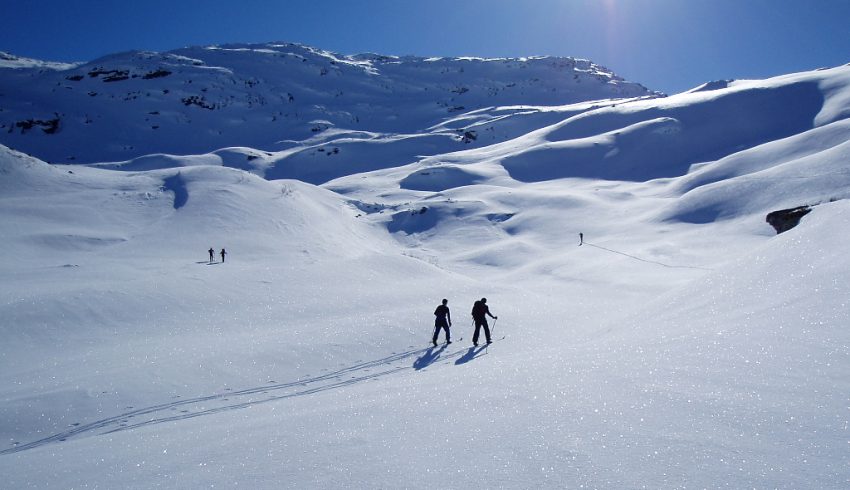
Ski mountaineering and cross-country skiing may look similar at a glance—both involve skis, poles, and snowy landscapes—but they are fundamentally different sports. From terrain and technique to gear and physical demands, each discipline offers a unique experience on snow.
This guide breaks down ski mountaineering vs cross-country skiing, helping you understand the differences, benefits, and which option best fits your goals.
What Is Ski Mountaineering?
Ski mountaineering (often called skimo) combines uphill travel, alpine descents, and mountaineering skills in high-elevation terrain. Athletes climb mountains on skis using climbing skins, then remove the skins to ski down challenging slopes.
Key Characteristics
- Takes place in backcountry or alpine environments
- Emphasizes steep ascents and technical descents
- Requires avalanche awareness and mountain safety knowledge
- Recognized as an Olympic sport beginning in the 2026 Winter Games
Typical Goals
- Reach mountain summits
- Ski untracked snow
- Compete in skimo races
- Train for alpine or expedition skiing
What Is Cross-Country Skiing?
Cross-country skiing focuses on endurance and efficiency across rolling terrain. Skiers glide over groomed trails or natural tracks using either the classic or skate technique.
Key Characteristics
- Performed on groomed trails or gentle backcountry routes
- Prioritizes cardiovascular endurance
- Minimal technical risk compared to alpine environments
- One of the most accessible winter sports worldwide
Typical Goals
- Fitness and aerobic training
- Recreational touring
- Competitive racing (classic or skate)
- Long-distance winter travel
Ski Mountaineering vs Cross-Country Skiing: Side-by-Side Comparison
| Feature | Ski Mountaineering | Cross-Country Skiing |
|---|---|---|
| Terrain | Steep, mountainous, off-trail | Groomed trails, rolling hills |
| Uphill Technique | Skins + climbing techniques | Stride or skate glide |
| Downhill Focus | Technical alpine descents | Gentle slopes |
| Equipment | Heavier, technical gear | Lightweight, streamlined |
| Skill Requirements | High (navigation, avalanche safety) | Moderate (technique & endurance) |
| Risk Level | Higher | Lower |
| Primary Fitness | Strength + endurance | Cardiovascular endurance |
Gear Differences Explained
Ski Mountaineering Gear
- Alpine touring skis with tech bindings
- Climbing skins
- Stiff ski boots with walk mode
- Helmet, avalanche beacon, shovel, probe
Cross-Country Skiing Gear
- Narrow skis (classic or skate)
- Lightweight boots and bindings
- No skins or safety equipment required on groomed trails
Fitness Demands and Training
Ski mountaineering is strength-intensive, especially for climbing with gear over long vertical gains. It also demands mental focus and technical confidence on descents.
Cross-country skiing is one of the best aerobic workouts in winter, engaging nearly every muscle group while maintaining a steady cardiovascular load.
Which Sport Is Better for You?
Choose ski mountaineering if you:
- Love mountains and off-trail adventure
- Enjoy challenging descents
- Are interested in backcountry travel or alpine racing
Choose cross-country skiing if you:
- Want a low-risk, high-cardio workout
- Prefer groomed trails and consistency
- Are new to winter sports or training for endurance
Final Thoughts
While both sports use skis and snow, ski mountaineering and cross-country skiing serve very different purposes. One emphasizes alpine adventure and technical skill; the other prioritizes endurance, efficiency, and accessibility.
Understanding these differences will help you choose the sport that best matches your fitness level, experience, and winter goals.