




The National Football League and the NFL Players Association (NFLPA) remain at odds over issues like a potential 18-game regular season. But one area of growing agreement is field safety. With new leaguewide standards unveiled in late 2025, the NFL is pushing toward safer, more consistent playing surfaces—both natural grass and synthetic turf—across all stadiums by 2028.
What Are the NFL’s New Field Standards?
The NFL’s newly introduced field program applies to every stadium surface, including international venues hosting regular-season games. The goal is to achieve a “Goldilocks” zone for performance—fields that are:
- Not too hard or too soft
- Not too slippery or too tacky
- Consistent in feel from stadium to stadium
Using new measurement tools developed jointly with the NFLPA, the league can now better quantify surface forces and energy return, helping standardize how fields play regardless of material.
According to league officials, this represents meaningful progress toward reducing variability that players have long complained about.
Grass vs Turf: Where the Debate Still Stands
Despite improved standards, the biggest disagreement remains synthetic turf. Roughly half of the league’s stadiums use artificial surfaces, largely due to cost, maintenance, and dome-related constraints.
The NFL points to injury data that shows no significant statistical difference in overall injury rates between grass and turf. Players, however, strongly disagree with that conclusion.
NFLPA leadership says more than 90% of players prefer natural grass, citing:
- Higher energy return on synthetic turf
- Increased body stress over time
- More non-contact injuries
From the players’ perspective, turf simply feels harder on joints and muscles, even if injury totals appear similar on paper.
FIFA World Cup Adds Pressure to the Turf Debate
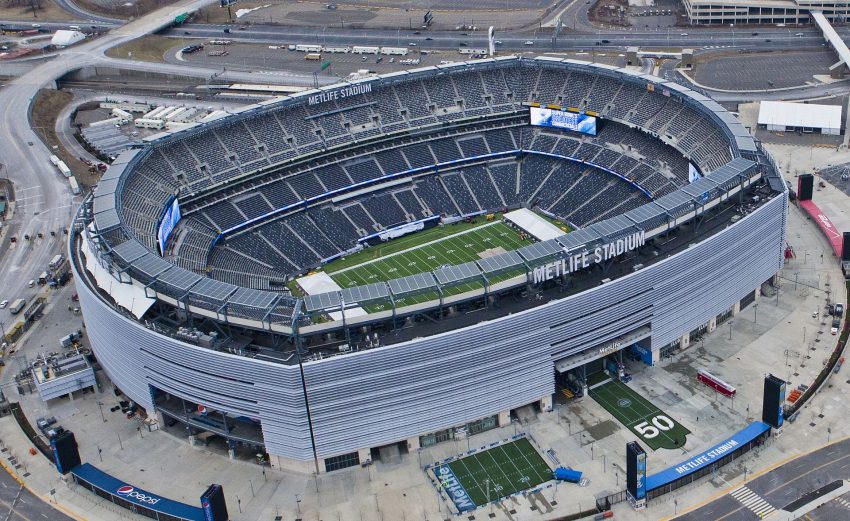
The upcoming FIFA World Cup has intensified scrutiny. Several NFL stadiums that normally use turf—including MetLife Stadium, host of the World Cup final—are installing natural grass specifically for FIFA matches.
The NFL is collaborating directly with FIFA and sharing field performance data, viewing the World Cup as a learning opportunity. League officials note that soccer and football athletes have different physical demands, but insights gained from temporary grass installations could influence future NFL decisions.
Super Bowl LX Field Preparation in the Spotlight
The league’s new standards are already being applied at Levi’s Stadium, host of Super Bowl LX.
The natural-grass field was replaced in early January, allowing time for proper rooting and stabilization. NFL officials say extensive preparation and monitoring should prevent a repeat of Super Bowl LVII, where players criticized the surface as dangerously slippery.
Field director Nick Pappas is overseeing the installation, with league executives expressing confidence that the surface will perform safely and consistently on game day.
What This Means for the Future of NFL Fields
While the grass-versus-turf debate is far from settled, the introduction of uniform field standards marks a significant shift. By 2028, every NFL venue—domestic and international—will be required to meet higher safety and performance benchmarks.
For players, it’s a step in the right direction, even if natural grass remains the preferred long-term solution. For the league, it’s an attempt to balance cost, logistics, and player safety while narrowing the gap between data and player experience.
Bottom line: The NFL isn’t abandoning turf yet, but field safety is no longer a side issue—it’s becoming a central part of how the league shapes the future of the game.