





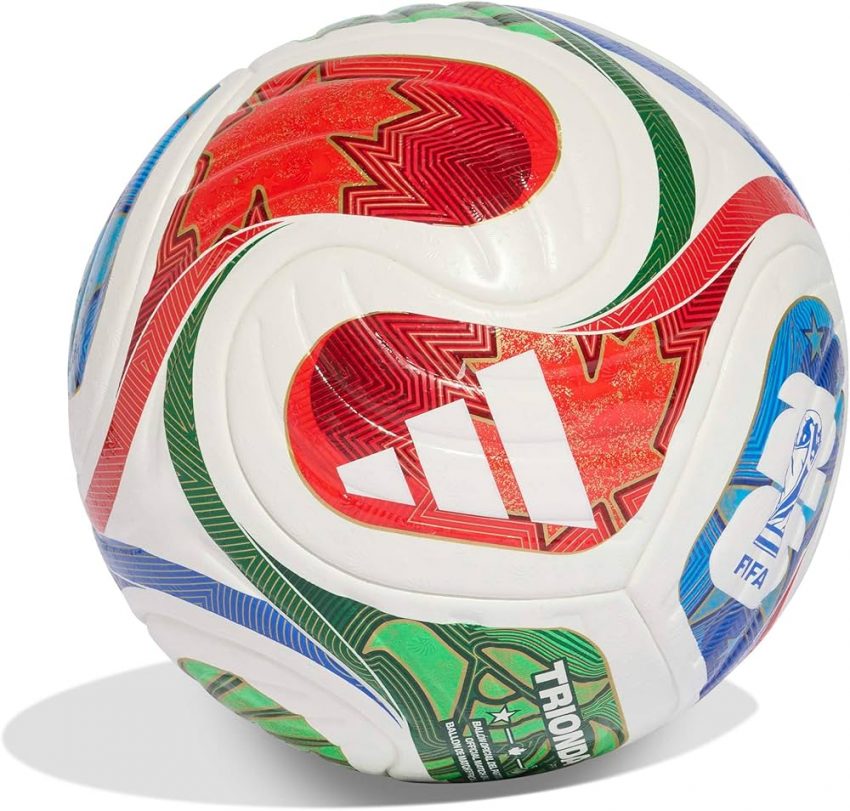
The 2026 FIFA World Cup is expected to showcase some of the most advanced innovations in sports history, but one of the most fascinating technologies may be hidden where fans least expect it — inside the match ball itself.
Modern World Cup soccer balls are no longer just designed for speed, control, and accuracy. They now include built-in technology capable of collecting real-time data and helping match officials make critical decisions within seconds.
From offside rulings to goal-line decisions, the smart match ball could play a major role throughout the 2026 FIFA World Cup.
What Is the Smart Ball Technology at the 2026 FIFA World Cup?
Adidas previously introduced connected-ball technology that transformed the way soccer matches are officiated, and the technology is expected to continue evolving heading into the 2026 FIFA World Cup.
Unlike traditional soccer balls, the smart ball contains an internal motion sensor that gathers live data during matches. The ball itself must even be charged before games to ensure the system remains fully operational.
The technology tracks:
- The exact location of the ball
- Every touch made during play
- Movement and speed data
- Real-time interactions between players and the ball
The collected information is immediately processed and delivered to match officials.
How Does the Sensor Inside the Ball Work?
The internal sensor technology has also evolved.
Earlier versions suspended the sensor in the center of the ball with support wires. The updated design integrates the sensor directly into one of the ball’s internal panels, making it more stable and efficient.
The sensor itself weighs only:
14 grams
Because of its minimal weight, players are unlikely to notice any difference during gameplay. Passing, shooting, and ball control feel identical to a traditional match ball.
Stadium Cameras Work Alongside the Smart Ball
The technology inside the ball works together with a network of cameras positioned throughout the stadium.
Twelve specialized cameras track both player movements and the location of the ball simultaneously.
The system records positioning data:
50 times per second
This allows officials to build a highly accurate model of everything happening on the field in real time.
The system monitors:
- Player positioning
- Ball movement
- Touch events
- Potential offsides
- Goal-line situations
How Smart Ball Technology Helps VAR at the 2026 FIFA World Cup
The data generated from the smart ball is transmitted almost instantly to the Video Assistant Referee system.
This technology helps officials review important decisions, including:
Offside Calls
Semi-automated offside technology uses exact player and ball positioning data to identify whether attackers are beyond defenders at key moments.
Goal-Line Decisions
The system can determine if the entire ball crossed the goal line.
Touch Detection
Officials can identify precisely when and where players made contact with the ball.
The goal is to reduce delays while improving accuracy during important moments.
How Long Does the FIFA Smart Ball Battery Last?
Even with advanced electronics inside the ball, battery life remains strong.
Each smart World Cup ball can operate for:
At least six hours on a single charge
That provides enough power for full matches, extra time, and pregame preparations.
The Future of Soccer Technology
The 2026 FIFA World Cup is expected to highlight how technology continues reshaping modern soccer. Similar to chips used in NFL footballs and tracking systems used in tennis, smart-ball technology is designed to improve fairness and precision.
Fans may never see the sensor hidden inside the ball, but it could influence some of the tournament’s biggest moments.
As soccer continues embracing innovation, the future of the game may already be rolling across the pitch.