




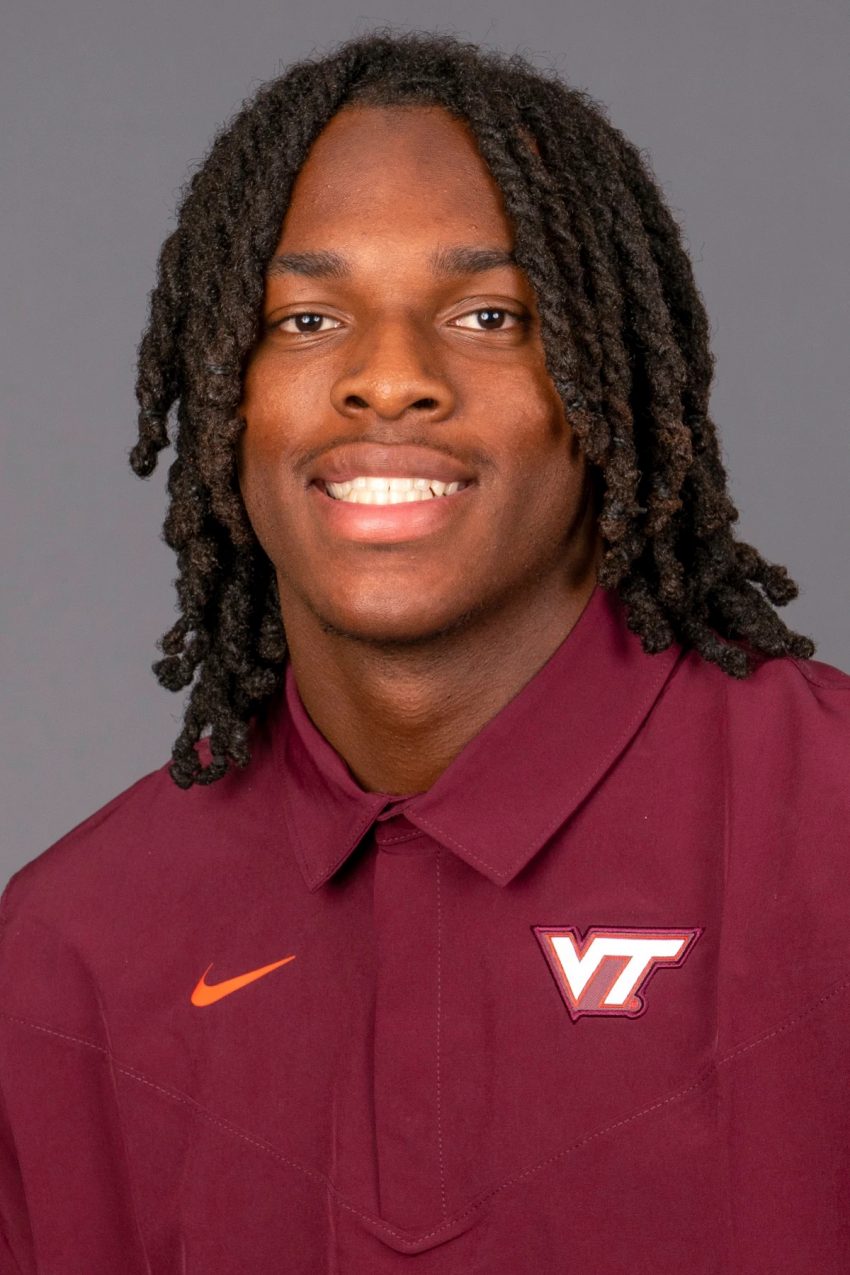
In a groundbreaking development that blurs the lines between professional and collegiate football, the Cleveland Browns are waiving tight end Dae’Quan Wright. If the undrafted rookie clears waivers, he has an agreement in place to play for LSU in the 2026 season, according to his agents Drew Rosenhaus and Kyle Lincoln, as reported by ESPN’s Adam Schefter.8
Wright is believed to be the first player with a realistic path from an active NFL roster back to college football, a shift made possible by a recent Louisiana court ruling on NCAA eligibility.
Who Is Dae’Quan Wright?
Dae’Quan Tariq Wright, born September 21, 2003, is a 6-foot-4, approximately 246-255-pound tight end from Perry, Georgia. He began his college career at Virginia Tech (2022–2023), where he recorded 47 receptions for 574 yards. After transferring to Ole Miss, he elevated his production significantly.
In two seasons with the Rebels (2024–2025), Wright caught 66 passes for 1,029 yards and nine touchdowns. His senior year in 2025 stood out: 39 receptions for 635 yards and five touchdowns while earning second-team All-SEC honors. Career college totals stand at 113 receptions, 1,603 yards, and nine scores across 47 games.24
Wright went undrafted in the 2026 NFL Draft, signed with the Philadelphia Eagles as an undrafted free agent, was waived, and then claimed by the Browns in mid-August. He participated in training camp and preseason action with Cleveland before this latest move.9
The Breaking News and Path to LSU
On August 23, 2026, reports confirmed the Browns’ decision to waive Wright. His agents indicated an agreement exists for him to join the LSU Tigers for the upcoming college season, contingent on clearing NFL waivers.13
This follows Wright entering the transfer portal earlier while still on an NFL roster—the first active NFL player to do so—after becoming one of 16 plaintiffs in a Louisiana lawsuit challenging NCAA eligibility rules. A temporary restraining order from a Louisiana judge allows these players a potential fifth year of eligibility, even after signing professional contracts or participating in NFL training camps and preseason games.11
Questions remain about SEC intra-conference transfer rules, given Wright’s recent time at Ole Miss, but the court protection may supersede traditional conference restrictions.
Why This Marks a Historic Shift in Football
For decades, signing an NFL contract or participating in professional activities typically ended college eligibility under NCAA rules. The current landscape has changed dramatically due to ongoing litigation over the NCAA’s new age-based eligibility model (five years of eligibility starting from age 19 or college enrollment).
The Louisiana TRO specifically prevents the NCAA from denying eligibility based on professional contracts, agent agreements, or participation in professional events for the named players. Similar challenges in other states have created a patchwork of eligibility situations heading into the 2026 season.18
Wright’s case stands out because he was actively on an NFL team’s roster and appeared in preseason action. If he clears waivers and joins LSU, he becomes a trailblazer—and potentially the first of several players exploring the same route as roster cutdowns approach.
Implications for LSU and College Football
Landing an experienced, production-proven tight end like Wright would provide an immediate boost to LSU’s offense. At 6-4 with proven SEC production, yards-after-catch ability, and physicality, he offers veteran presence and skill that few pure college transfers can match.
Broader impacts include:
- Accelerated fluidity between the NFL and college ranks.
- Potential roster chaos as more undrafted or fringe NFL players test the waters.
- Ongoing legal battles that could further reshape eligibility standards.
- Debates over competitive balance, as coaches like Oregon’s Dan Lanning have called aspects of the situation “unfair to the sport.”
College football’s transfer portal, NIL opportunities, and now this pro-to-college pathway continue to evolve at a rapid pace.
Looking Ahead
Wright must first clear NFL waivers. If no team claims him, the path opens for him to report to LSU and contribute in 2026. Whether this becomes a one-off novelty or the start of a larger trend will depend on future court rulings, NCAA responses, and how other players and programs navigate the new reality.
For now, Dae’Quan Wright’s story represents one of the most unusual roster moves in recent football history—an NFL tight end preparing to return to the college ranks with the LSU Tigers. Fans of both the Browns and the Tigers, along with the wider college football community, will be watching closely as this unprecedented transition unfolds.