





The NFL is stepping up its defense as lawmakers and regulators in Washington intensify scrutiny over the league’s evolving media strategy, particularly its growing reliance on streaming platforms.
At the center of the discussion is how fans access games and whether the NFL’s current model creates a fragmented and increasingly expensive viewing experience. League executives, however, strongly disagree with that characterization.
NFL Emphasizes Commitment to Free Broadcast Access
During a recent meeting with the Federal Communications Commission, NFL Executive Vice President of Media Distribution Hans Schroeder outlined the league’s position. He emphasized that accessibility remains a core priority, noting that 87% of NFL games are available on free, over-the-air broadcast television. In addition, 100% of games are accessible in the local markets of the participating teams.
Schroeder argued that the NFL continues to be one of the strongest supporters of traditional broadcast television, even as it expands into digital platforms.
“We’re very committed to broadcast… it’s a tremendous way to reach fans,” Schroeder said at the league’s annual meeting.
Streaming Growth Mirrors Industry Trends
The NFL’s gradual shift toward streaming platforms reflects broader changes across the sports media landscape. As cable and satellite subscriptions decline, digital platforms are becoming a larger part of how fans consume live sports.
Despite concerns about fragmentation, the league pointed to strong performance under its current model. The NFL recorded its highest regular-season viewership since 1989 last season, reinforcing its argument that the hybrid broadcast-streaming approach is working.
Antitrust Concerns and Legislative Pressure Build
Regulatory attention is increasing on multiple fronts. Brendan Carr has raised concerns about potential antitrust implications tied to the NFL’s media rights structure.
Meanwhile, Tammy Baldwin introduced the “For The Fans Act,” which proposes eliminating blackout restrictions and requiring all professional sports leagues to provide free local access to games. While the NFL already ensures local availability for participating teams, the bill aims to expand those protections nationwide and across all leagues.
Adding to the pressure, the U.S. Department of Justice has launched a formal investigation into whether the NFL’s practices could be considered anti-competitive.
NFL Defends Pooled Media Rights Model
A key part of the league’s defense centers on its pooled media rights system, where national deals are negotiated collectively rather than by individual teams. According to the NFL, this approach helps maintain competitive balance and prevents excessive fragmentation.
League officials argue that allowing teams to negotiate their own media deals would likely lead to higher costs and a more confusing viewing landscape for fans, as games would be spread across even more platforms and providers.
Future Media Deals Could Intensify Debate
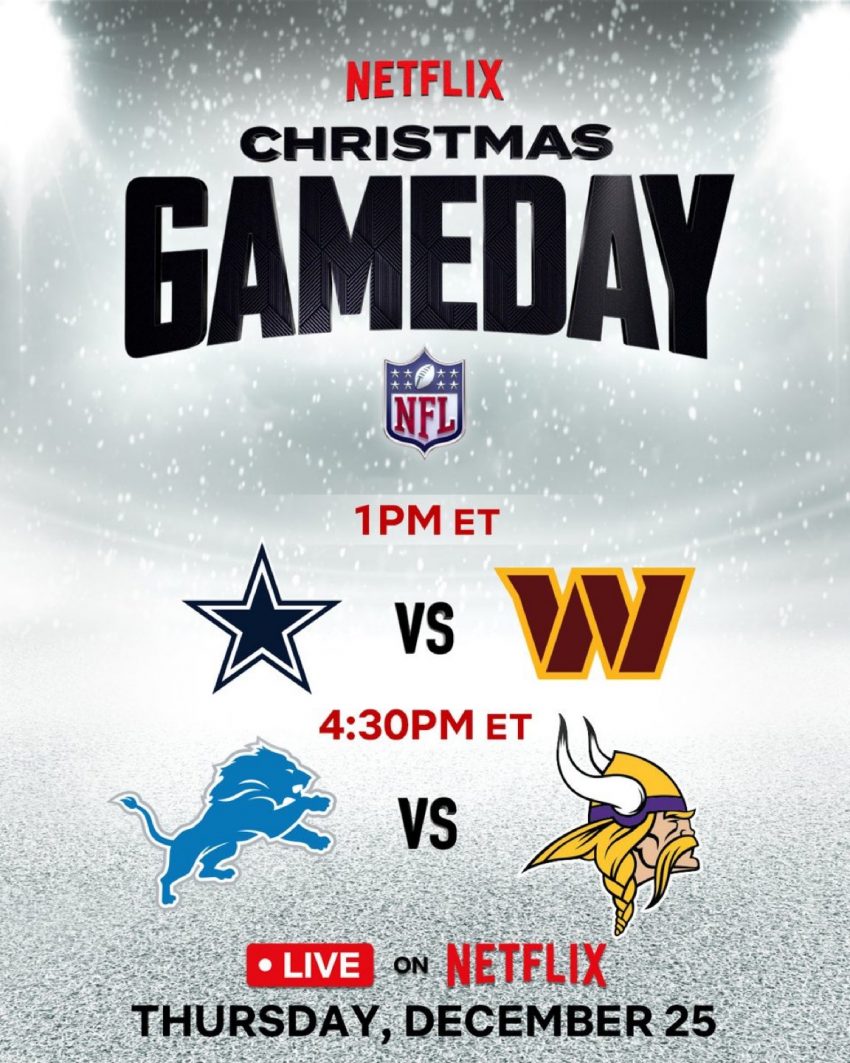
The NFL’s discussions with regulators come at a pivotal moment. The league is nearing a decision on a new five-game media rights package, with major digital players like Netflix and YouTube reportedly among the interested bidders.
Any further expansion into streaming is likely to keep the league under the regulatory spotlight, especially as lawmakers continue to examine how sports media rights impact consumers.
Outlook
While no follow-up meeting with the FCC has been scheduled, the NFL’s proactive engagement signals that it is taking the scrutiny seriously. As streaming continues to reshape sports broadcasting, the league’s ability to balance innovation with accessibility will remain a central issue in both the marketplace and in Washington.