




College baseball is moving closer to an automated strike zone.
The NCAA has approved an experimental automated ball-strike challenge system for the 2027 season, allowing teams in Divisions I, II and III to challenge selected ball and strike calls when the necessary technology is available.
The system may be used during both regular-season and postseason games. Its introduction represents one of the most significant technology-driven changes to NCAA baseball officiating in recent years.
What the NCAA’s ABS Decision Means
Under the new rule, the home-plate umpire will continue to call balls and strikes. The automated ball-strike system, commonly known as ABS, will serve as a review tool when an eligible call is challenged.
That distinction is important: The NCAA has not replaced human umpires with a fully automated strike zone. Instead, the challenge format gives teams a way to contest certain calls while preserving the umpire’s traditional role behind the plate.
The NCAA describes the change as an experimental rule for all three divisions during the 2027 season. Its use will also be optional and dependent on whether a venue has the required equipment.
As a result, ABS may not appear at every college baseball game immediately. Programs and conferences with access to compatible pitch-tracking technology are likely to adopt the system first.
How Does the Automated Ball-Strike System Work?
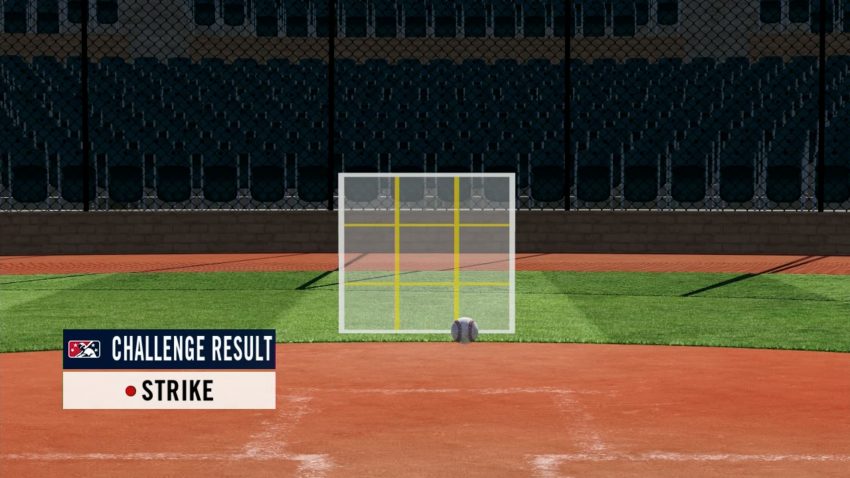
ABS technology tracks a pitch as it crosses home plate and compares its location with a digitally defined strike zone. When a ball or strike call is challenged, the system determines whether the original decision should stand or be overturned.
The NCAA has not yet published complete operational details in its announcement, including how many unsuccessful challenges teams will receive or precisely which players may initiate a review.
In Major League Baseball’s version of the system, the batter, pitcher or catcher can challenge a call immediately after the pitch. The technology then displays whether the ball crossed the computerized strike zone. The review typically takes only a few seconds.
College baseball’s system will offer a similar method for reviewing called pitches, although its final procedures may differ from MLB’s rules.
SEC Tournament Served as an Early Test
The decision follows an ABS challenge-system experiment conducted during the Southeastern Conference baseball tournament in May.
That trial gave college baseball officials an opportunity to evaluate how the technology affected umpiring, game flow and player decision-making in a high-profile competitive setting.
The SEC experiment also reflected a broader movement across baseball. Automated strike-zone technology has been tested extensively in the minor leagues, while MLB introduced its own ABS challenge system for the 2026 season.
Rather than removing the umpire from the process, the challenge model creates a compromise between traditional officiating and fully automated calls.
How ABS Could Change College Baseball Strategy
The NCAA ABS challenge system could add another strategic element to games, especially in late innings and high-leverage situations.
Depending on the final rules, players and coaches may need to consider:
- Whether a disputed pitch is important enough to challenge
- How confident the batter, catcher or pitcher is that the call was incorrect
- How many challenges the team has remaining
- The count, score and number of runners on base
- Whether saving a challenge for a later situation offers greater value
Catchers could also adjust how they receive borderline pitches, while hitters may become more willing to contest called third strikes. Pitchers who believe they consistently work near the edge of the zone could benefit from having an objective review option.
The system may also influence recruiting and player development. Programs could place greater emphasis on pitch-tracking data and train players to recognize the computerized strike zone more accurately.
Potential Benefits of ABS in NCAA Baseball
Supporters of the automated ball-strike challenge system argue that it can improve accuracy without causing frequent or lengthy interruptions.
Potential benefits include:
- Correcting important missed calls
- Creating a more consistent strike zone
- Reducing prolonged arguments between players, coaches and umpires
- Giving athletes a direct role in requesting reviews
- Preparing college players for technology already used in professional baseball
The challenge format also preserves the human element of umpiring. Most pitches will still be called by the home-plate umpire without technological intervention.
Questions Remain Ahead of the 2027 Season
Although the NCAA has authorized the system, several practical questions remain.
Schools will need to determine whether they can install or access the necessary technology. Conferences may also have to address differences between well-funded programs and teams playing at facilities without ABS equipment.
Further guidance will be needed on challenge limits, player eligibility, review procedures and what happens when the system experiences a technical failure.
Because the rule is experimental, the NCAA will likely evaluate its performance before deciding whether to expand, revise or permanently adopt it.
Other NCAA Baseball Technology and Rule Changes
The ABS announcement was part of a broader package of NCAA baseball changes.
Teams will also be allowed to use bat sensors for in-game data collection. Division I programs, however, will no longer be permitted to use electronic devices to communicate offensive signals to players during games.
Additional changes include mandatory double first bases, expanded video-review options and permission to use 18-inch bases, although 15-inch bases remain the standard. Division I will also introduce a 30-second timer between batters, during mound visits and during offensive timeouts.
A New Era for College Baseball Officiating
The NCAA’s approval of an automated ball-strike challenge system marks a notable step in college baseball’s adoption of officiating technology.
Human umpires will remain responsible for calling pitches, but players may soon have a fast, technology-backed method for correcting pivotal mistakes. If the 2027 experiment proves successful, ABS could eventually become a standard feature across NCAA baseball.
For now, its availability will vary by venue. But the direction is clear: The automated strike zone is no longer limited to professional baseball, and college teams will soon begin learning how to use it to their advantage.